What Parents and Caregivers Should Know
Last updated October 19, 2026
Worried about something you found, or something you are noticing in someone you love? This page explains today's biggest drug risks in plain language, with photos so you know what to look for. It also points you to free support from parents and caregivers who have been there.
Jump to: Hidden dangers | Kratom and 7-OH | Peptides | Teen trends | THC or nicotine vape? | What to say | Get help now
You are not alone in this
This page is for anyone who loves a young person or adult child who is struggling. That includes parents, grandparents raising grandchildren, foster and adoptive parents, aunts, uncles, guardians, and siblings who stepped in.
The drugs out there today are not the same as when many of us were growing up. They change quickly, and some are sold openly in stores. We put this together so you can understand what your loved one may be facing, without having to become an expert overnight.
You do not have to know everything to be a good support. You just have to keep showing up, and you do not have to do it alone.
The biggest danger: what is hidden in the drugs
The greatest risk today is often not the drug a person thinks they are taking. It is what has been mixed into it without their knowledge. In May 2026, the DEA warned that street drugs and fake pills are increasingly mixed with:
Fentanyl, a powerful opioid found in fake pills made to look like real prescriptions
Xylazine ("tranq") and medetomidine, animal sedatives that cause deep, long sedation. Xylazine can also cause serious wounds.
Nitazenes and cychlorphine, lab-made opioids that can be even stronger than fentanyl. Some are not caught by fentanyl test strips.
See what fake pills look like next to real ones (photos from the DEA): oxycodone, Xanax, Adderall.
What this means for your family:
Any pill that did not come from a pharmacy could be fake, even if it looks real.
Keep naloxone (Narcan) in your home and car, and learn how to use it. It is sold over the counter.
Naloxone may take more than one dose, and it does not reverse the animal sedatives. Always call 911, even after giving it.
Kratom and "7-OH"
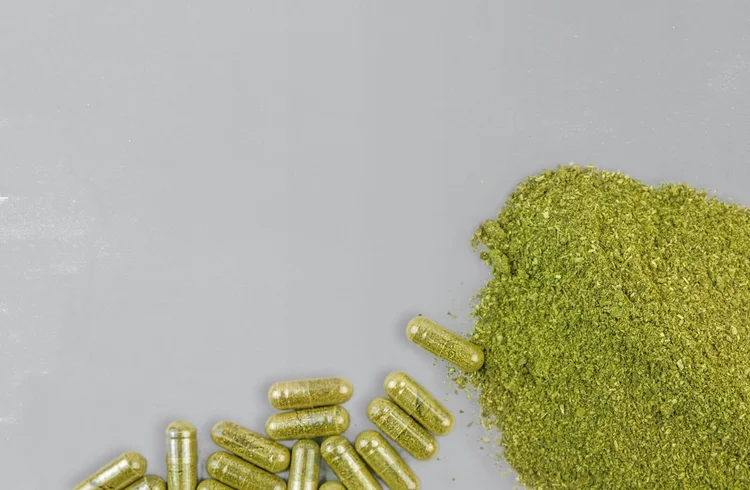
Kratom is a plant product sold in gas stations, vape shops, and online. Because it is sold in stores, many families assume it is safe. It can still lead to dependence and painful withdrawal.
What it looks like: powders, capsules, gummies, small drink bottles, and "shots." People often use it for energy, pain, or to ease opioid withdrawal.
The bigger concern is 7-OH. These are concentrated "enhanced" products, often sold as small tablets or shots. They act much more like an opioid than plain kratom does. Federal health officials have called them dangerous.
Where the law stands (as of October 2026):
Georgia: kratom is legal for adults 21 and older. Products must be labeled and kept behind the counter.
Federal: on October 14, 2026, the DEA announced plans to temporarily place high-strength 7-OH products in Schedule I, the most restricted category. That order can take effect on or after November 13, 2026. Plain kratom leaf is not included.
A product being legal does not mean it is safe. If you find kratom or 7-OH products, it is worth a calm conversation and a call to a doctor or counselor.
Peptides
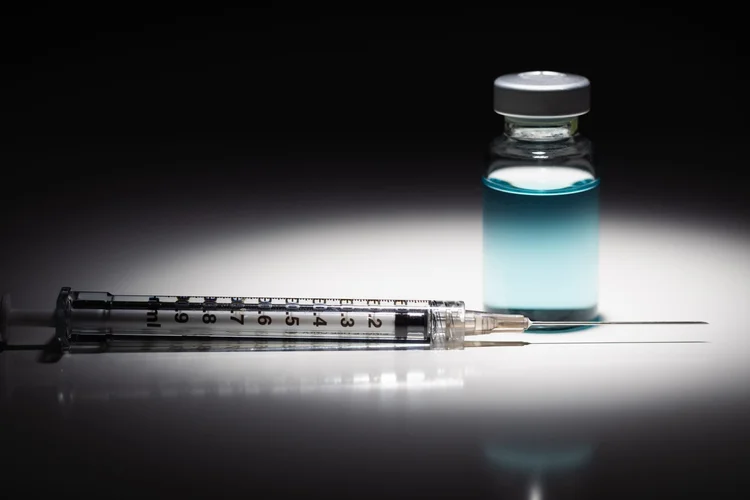
Peptides are injectable products promoted online for building muscle, healing injuries, and anti-aging. Two common names are BPC-157 and TB-500. They are popular in gym and fitness circles and are heavily promoted by influencers and podcasts, especially to young men.
Peptides are not addictive the way opioids are, but they carry real risks:
Little proof they are safe. Most research has been done in animals. FDA scientists found almost no human studies for some of them.
You may not get what the label says. Many are sold online as "research chemicals, not for human consumption" and are often made overseas.
Injection risks. Using needles at home can lead to infection or allergic reactions.
The rules are changing. In July 2026, an FDA advisory panel narrowly voted to recommend that pharmacies be allowed to make some peptides, but nothing has been formally approved.
What to watch for: small vials, syringes, or packages labeled "for research use only." If you find them, ask about it with curiosity rather than alarm.
What teens and young adults are using
The good news first: overall drug and alcohol use among teens is near historic lows. But how young people use has changed, and many newer products feel "safer" to them than they are.
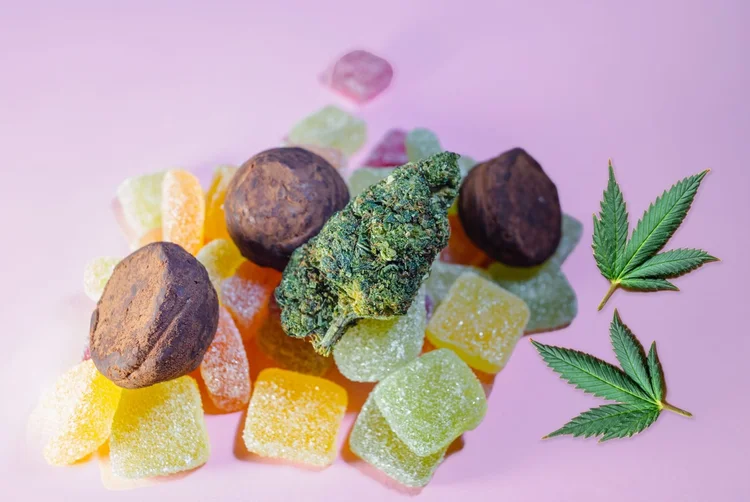
THC vapes and edibles: now about as common as smoking marijuana among high school seniors. Often much stronger than parents expect.
Hemp products (delta-8 THC): sold in stores and gas stations. Used by about 9% of high school seniors.
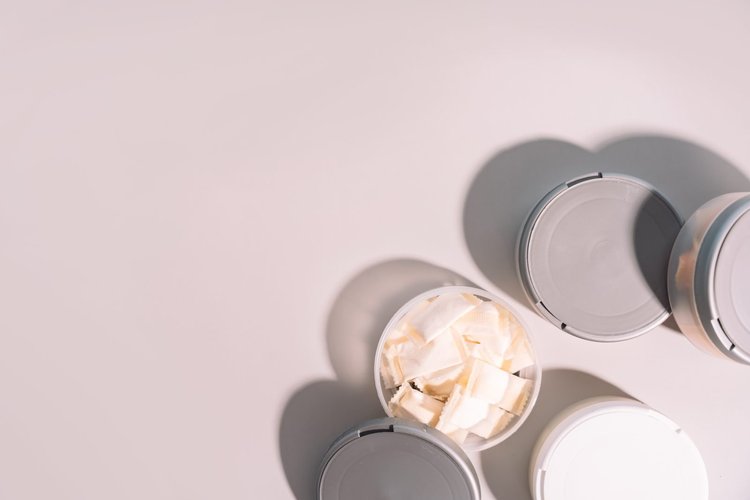
Nicotine pouches (like Zyn): small pouches tucked in the lip, easy to hide. Used by about 7% of seniors and rising fast among young adults.
Nicotine vapes: near record highs among adults ages 19 to 30.
Among young adults, heroin use and misuse of sleep medications also rose in the latest national survey.
THC vape or nicotine vape?
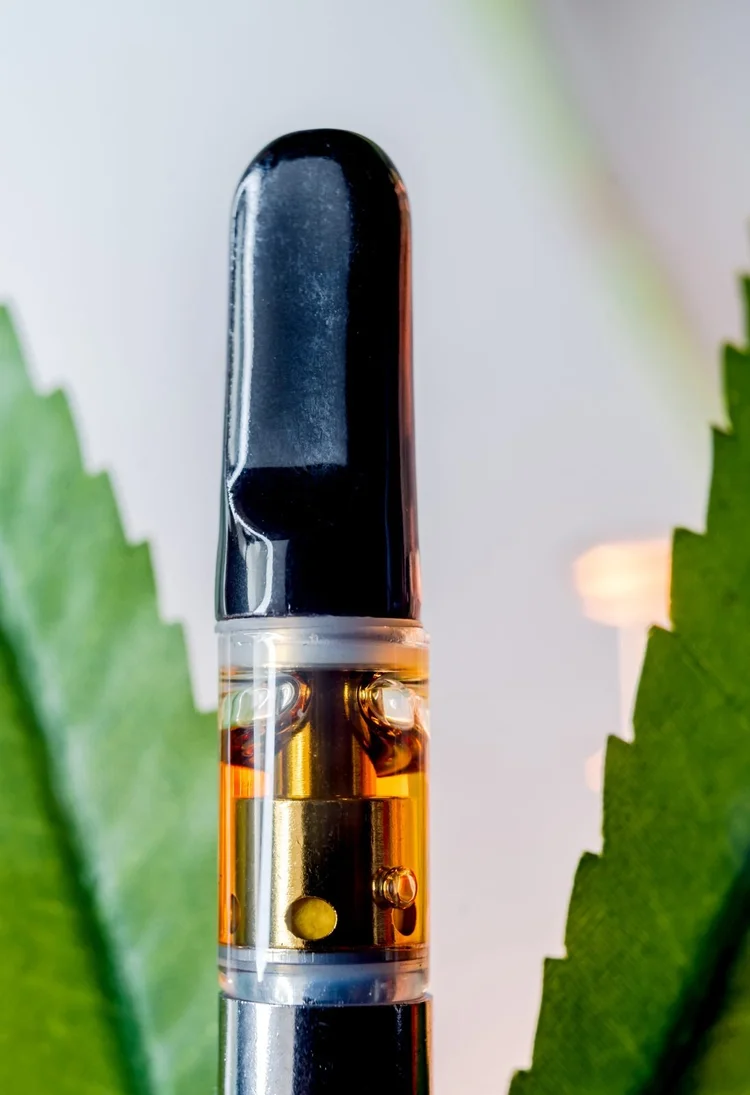
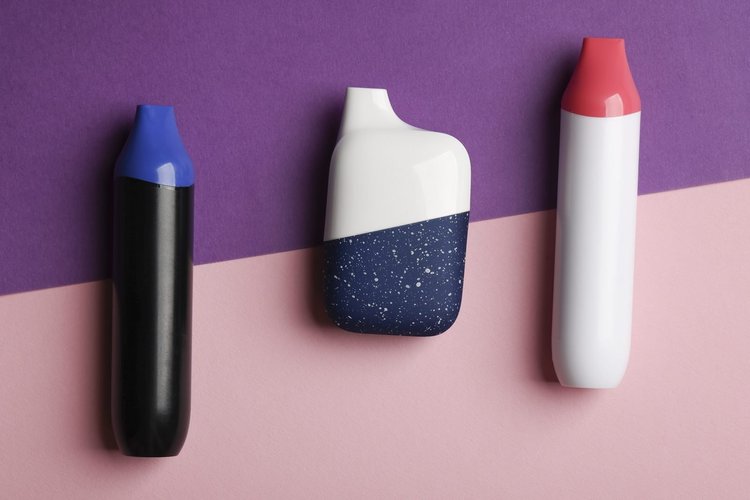
Many THC vapes look almost exactly like nicotine vapes, and you often cannot tell just by looking at the device. These clues can help:
What is inside: nicotine vapes hold a thin, clear or lightly tinted liquid. THC vapes hold a thick, golden to amber oil that moves slowly when tilted.
Label words: nicotine vapes list flavors like "mango ice" and a nicotine strength in % or mg. THC vapes use strain names like "Blue Dream," or words like "live resin," "distillate," "delta-8," or "THC."
Hardware: nicotine vapes are usually pods or disposables, often advertising thousands of puffs. THC vapes are often small screw-on cartridges ("carts") with a slim battery pen, or disposables sold in grams.
Smell: nicotine vapes smell sweet, fruity, or minty. THC vapes can smell earthy or skunky, though flavored ones may not.
Signs in the person: nicotine can bring restlessness or irritability between uses. THC can bring red eyes, sleepiness, increased appetite, and slowed reactions.
If you are not sure what you found, it is okay to ask. A doctor or counselor can also help you sort it out.
What to say
How you start the conversation often matters more than what you found. A few things that tend to help:
Pick a calm moment. Not in the middle of an argument, and not when anyone is upset, high, or exhausted.
Lead with love, not evidence. "I love you, and I am worried about you" opens more doors than "What is this?"
Ask, then listen. "Can you help me understand what this is?" or "How have things really been for you lately?"
Describe what you saw, without labels. "I found these in the laundry" lands better than "Why would you do this to us?"
Keep the door open. "You can always come to me, even when it is hard to say." You may not get answers the first time, and that is okay.
If the conversation turns into a fight, it is okay to stop and try again later. Talking with other parents and caregivers who have been there can help you prepare.
What you can do
You do not need to search your loved one's room every night or have all the answers. A few steady steps help:
Learn the names. Knowing what kratom, 7-OH, or a nicotine pouch looks like helps you notice and ask.
Keep naloxone on hand and tell others in the home where it is.
Ask, do not accuse. Use the conversation tips above.
Bring in a professional. A doctor, counselor, or treatment program can assess what is going on.
Take care of yourself, too. You cannot pour from an empty cup.
Find support with people who understand. Prodigal Child Ministries offers free support groups, in person and online, for parents, grandparents, foster and adoptive parents, and anyone caring for a loved one who is struggling. Our Wisdom in the Waiting speaker series brings in professionals to teach on topics like these. It is free and no registration is needed.
See Support Group Info or call us at 678-878-8324.
There is hope
Whatever you are facing tonight, you are not the first, and you do not have to face it alone. We have walked this road as parents. We have seen hope show up in hard places, sometimes slowly and often in ways we did not expect. Please do not carry this by yourself.
"The Lord is close to the brokenhearted and saves those who are crushed in spirit." Psalm 34:18
If you need help right now
Overdose or emergency: call 911
Mental health, substance use, or suicide crisis, including if you are worried about a loved one: call, text, or chat 988
Treatment referrals (free, 24/7): SAMHSA National Helpline, 1-800-662-4357
This page is for education and encouragement. It is not medical advice. Please talk with a doctor or licensed counselor about your loved one's situation.
Sources
Federal Register: 7-OH temporary scheduling notice, Oct 14, 2026
Addiction Policy Forum: 2025 Monitoring the Future teen findings
Product photos: Envato Elements stock images, used under license. Page last updated October 19, 2026.